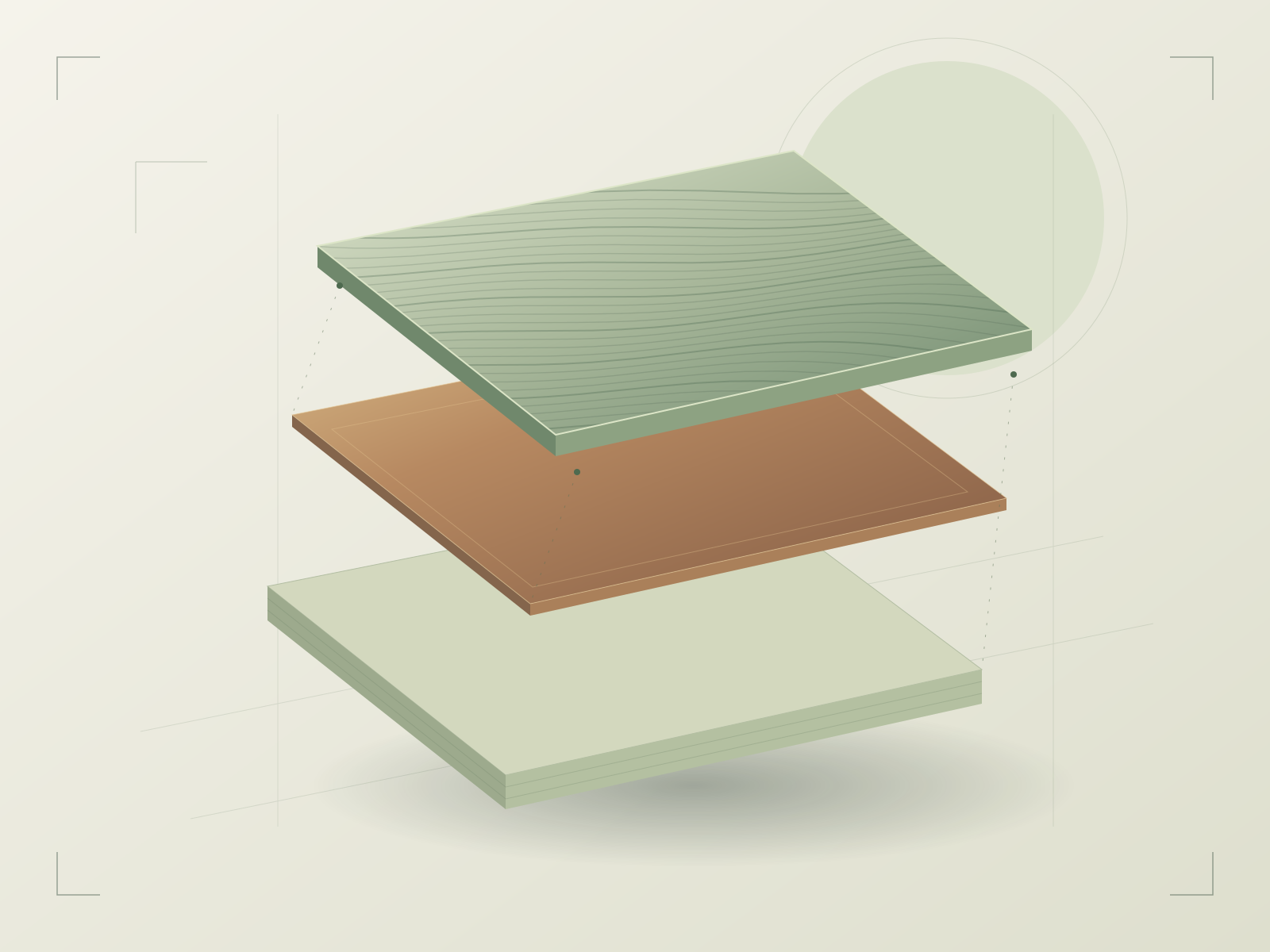
01 / A nutrient.
NIH’s Office of Dietary Supplements identifies copper as an essential nutrient, while warning that excessive intake can be harmful. A nutritional role does not establish a benefit from wearing copper or using any particular copper object.
Source: NIH ODS, Copper: Fact Sheet for Consumers, updated 18 October 2022. For personal supplement or health questions, speak with a qualified clinician.
02 / A surface.
EPA testing protocols address defined antimicrobial copper-containing surfaces under specified conditions. They require continued cleaning and hygiene; surface findings do not automatically establish a health benefit for jewelry, textiles, cookware or drinking vessels.
Source: EPA, copper-containing surface protocol (2016). This is a protocol reference, not certification of any product shown by Awoken.
03 / A wearable object.
Claims about copper bracelets need their own clinical evidence. The study note below examines one trial in rheumatoid arthritis; it does not turn a material story into a treatment claim.
Read the copper-bracelet study note >The inquiry stays open.
Historical uses, craft traditions, material composition, coatings and appropriate care deserve their own source work. The global history and product-specific cookware, vessel and textile reviews are research outlines, not completed findings.
There are no copper purchase links or health-product recommendations here.
— First source review and publication of this note.
A dated starting point, not a continuously monitored or systematic review. See the research log.